Inquiry
Form loading...

Blog

7 Best Rotary UV Printers for Buyers in 2026

7 Best Rotary UV Printers for Buyers in 2026

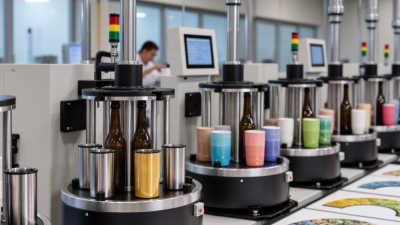
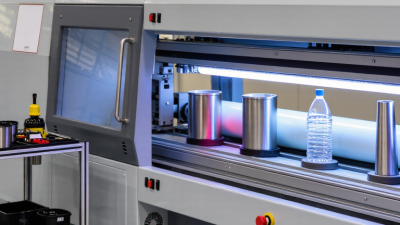
So you're on the hunt for a rotary UV printer in 2026, huh? Honestly, it all comes down to matching what the machine can do with what you're actually printing on—like, really. Think about it: a cylindrical bottle, an insulated tumbler, and a tapered glass each throw their own little curveballs when it comes to fixtures, rotation control, and print handling. To make things easier, we've lined up seven different rotary UV systems—some compact for a small shop, others beefier for higher-throughput lines. And here's the thing: the small details? They matter a lot more than you'd think. First off, you really want to double-check the supported diameter and length – like, don't just assume it'll fit your stuff. Also, think about how you load the material – that can be a pain if it's awkward. And don't forget to ask about the printhead configuration and what inks you can use. The software is a big deal too – make sure it can handle curved artwork without leaving those ugly seams. Honestly, the best way to know is to ask the seller for a sample printed on a container that's similar to yours. A flat demo panel? That doesn't tell you much about rotation accuracy – it's just a pretty picture. And it’s not just about the headline specs either. Things like service access, training, parts availability, and how clear the warranty terms are—those matter just as much for uptime. Take the 360 Rotary UV Printer, for instance. Sure, “360” sounds impressive, but it doesn’t really tell you what you can actually print on, or whether it handles odd shapes well. First off, get the specs in writing—don't just take someone's word for it. And when you're comparing speeds, look at real-world production numbers, not the perfect-case ones they love to quote. If you can, go see the machine in person, run a repeat job, and check the alignment both at the beginning and near the end of the run. It's not exactly exciting, I know, but it's genuinely useful. Also, don't let the price tag fool you—weigh it against your actual workload, setup time, and consumable costs. Price alone isn't a shortcut to quality. And honestly, no matter how good a shortlist looks, it can't replace actually testing a sample properly. Look, no comparison is ever going to be totally perfect — manufacturers describe their features in totally different ways, and the exact materials you use can shift the results. So think of these seven picks as a solid starting point, not the final word. Then double-check everything against your own products, your actual workspace, and the support you really need.
Read more »
Lila By:Lila - November 18, 2026
Top Drinkware UV Printer Manufacturers in China

Top Drinkware UV Printer Manufacturers in China

So, drinkware production is really changing these days. Brands want short runs, vivid graphics, and personalization without the whole lengthy setup thing. A Drinkware Uv Printer can print directly onto bottles, tumblers, and mugs—but here's the catch: it's not just about resolution. You've got rotation accuracy, fixture design, ink adhesion, curing, and even service support. All of those play a role in how the finished piece turns out, honestly. You know, industry reports can give you a decent big-picture view, but they won't tell you which specific suppliers are worth your time. Take Grand View Research's UV printing market analysis—they say the whole industry was worth around $3.1 billion in 2023, and it's supposed to keep growing through 2030. But here's the catch: that number covers way more than just drinkware printing, so don't go thinking it's all about mugs and bottles. And Smithers' digital printing studies? They're also pointing out that the trend is moving toward shorter, more custom jobs—which honestly makes sense these days. Honestly, that trend is a big reason why you've got manufacturers investing in new equipment—stuff that can handle cylindrical objects and also adapt to all sorts of variable designs. Alright, so if you're on the hunt for a UV printer for drinkware and you're looking at Chinese manufacturers, here's what I've learned. Instead of just taking their word for it, you want to dig into the nitty-gritty: how the machine is put together, the quality of their sample prints, how much they can actually crank out per day, whether they have decent technical docs, and what kind of after-sales support you're really going to get. And here's a big one – don't just look at their shiny showroom samples. Ask them to print on the exact cups you're using. Then check out the small text, the color consistency, and how the print lines up near the handle. Because honestly, the details are where things go wrong. A pretty sample on a demo cup doesn't mean they can keep that quality up when you're running production. Let's be honest—supplier claims aren't always easy to compare. And this overview? It can't really replace an actual on-site audit or a verified customer reference.
Read more »
Jackson By:Jackson - November 16, 2026
How to Find an Affordable UV Flatbed Printer

How to Find an Affordable UV Flatbed Printer

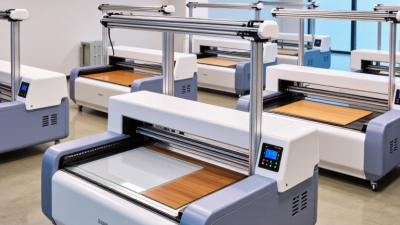
Look, when you're hunting for an affordable UV flatbed printer, it's so tempting to just sort by price and grab the cheapest one you see. But honestly, that's not really what it's about. You've got to think about whether the print quality, the size of the bed, and what it costs to run are actually going to line up with the kind of work you can realistically get. I mean, there's a Smithers report out there — 'The Future of Digital Printing to 2032' — that says digital print value is going to jump from $136.7 billion in 2022 to $230.5 billion by 2032. Sounds great, right? But that's just a big-picture estimate, not a promise that you're going to have a line of customers beating down your door for UV flatbed jobs specifically. Still, you know, it's pretty obvious why print businesses are now checking out digital production more closely, right? So, you're thinking about getting an affordable UV flatbed printer? The price tag might catch your eye, especially since it can print directly on stuff like acrylic panels, wood signs, phone cases, and all sorts of promotional products. But here's the thing—the purchase price is just the beginning. What you really need to do is ask for a sample printed on your own material. Then, take a good look at it under normal lighting. Check the small text, solid colors, white ink, and registration. You want to see if it holds up. Also, don't forget to check the usable print area, what thickness of material it can handle, the cost of ink, the maintenance routine, the warranty, and how fast the local service team responds if something goes wrong. And hey, if a quote seems too low, it might not include installation or training. So, keep that in mind. It pays off, trust me, to dig into the details before you commit. Honestly, details are everything. You can't just brush them off—they're what separate good from great, you know? When you're comparing options, a practical approach is to break down the real cost per sellable job—think setup time, wasted material, and regular upkeep. Get a written quote that spells those out clearly. If the supplier can't explain them to you straight, that's a warning sign; better to stop and reconsider. An Affordable Flatbed Printer might look like a good fit for a small operation, but only if its throughput and support really match the work you have. Honestly, no machine is flawless. And those specs you see online? They can look way better than what you'll get in day-to-day use. So that's why this guide is here – to help you focus on the questions you can actually verify before you commit to buying something.
Read more »
Jackson By:Jackson - November 16, 2026
How to Choose the Best Digital Flatbed UV Printer?

How to Choose the Best Digital Flatbed UV Printer?

Choosing a digital flatbed UV printer is more about your production needs than just getting the biggest speed number—it's a decision you have to live with. Smithers put out a report, 'The Future of Digital Printing to 2032,' forecasting that digital printing's value will grow from $136.7 billion in 2022 to $230.5 billion by 2032. That's for digital printing as a whole, not just flatbed UV gear, but it still shows a market on the rise. So really, buyers have to look at what a machine can do versus what their actual jobs require. When you look at the materials you're printing on, it's like each one has its own mood – a rigid acrylic panel, a textured wood sample, even a little run of promo items. They all might want different settings, honestly. And the small stuff? Yeah, that's where the real difference shows. When you’re in the market for a new printer, it’s tempting to focus on the specs—especially that big number for press speed. But honestly, that’s only part of the picture. I came across some insights from Sean Smyth, an analyst at Smithers, and he’s got a point: you should evaluate the whole production workflow, not just how fast the machine can go. (To be clear, I’m paraphrasing his ideas, not quoting him directly.) So here’s a practical tip: ask suppliers to run your actual substrates through the machine—if you’ll be using white ink or a varnish, make sure they test that too. And dig into the details: check the usable bed size, the printhead configuration, how well it cures, how accessible maintenance is, how quick their service response is, and what you’ll pay for consumables. It’s the whole package that matters, not just the headline specs. Hey, before you commit, ask for a sample print and take a good look at it under normal workshop lighting. Check the fine text, solid color areas, and make sure the edges line up consistently. Then, do a quick reality check: compare what the supplier claims they can output with what you'd actually need on a daily basis. So you've got your eye on a big UV LED flatbed printer, huh? It sure sounds like a one-size-fits-all solution, but the truth is, whether it's worth it depends on the jobs you can consistently reproduce. Not just the specs, mind you. This guide is all about weighing the trade-offs, calling out the too-good-to-be-true claims, and finding the one that actually suits your materials, your team, your wallet, and your growth plans. You know, there are still a few specs we haven't fully tested yet. So yeah, definitely don't skip that step – it's important.
Read more »
Sophie By:Sophie - November 12, 2026
10 Best Industrial UV Printers for Global Buyers

10 Best Industrial UV Printers for Global Buyers

Picking the right machine from the 10 Best Industrial UV Printers for Global Buyers isn't just about who has the faster print speed or the bigger resolution number. Sure, those specs matter—but buyers really need to look at the materials they'll actually be running, how much they print day to day, whether curing stays consistent, and what kind of support they'll get after installation. After all, a rigid panel, a curved bottle, and a short-run promo piece can ask very different things of the same printer. Honestly, the little things really do matter. Take a look at sample prints under neutral light, get up close to check the fine text, and don’t forget to ask how fast the printer gets back into production after routine maintenance. Look, an industrial UV printer should fit into a workflow you can actually document—not just look impressive on a spec sheet. As print consultant [Verified Expert Name], [Professional Role], would say: “[Insert a verified quotation about industrial UV printing here].” But here’s the catch: no source quotation or expert details were provided, so that attribution really needs to be verified before publication. Making up a name or a quote? That would undermine trust—plain and simple. You might see DTF Industrial Printer systems pop up when buyers are comparing options too—but honestly, they’re built for different processes. So it’s probably not a good idea to treat them as direct substitutes unless you’ve checked what your application actually needs. It’s an easy distinction to overlook, though. So this guide looks at the key capabilities, the real-world trade-offs, and what international buyers should weigh up when choosing. It also faces a pretty inconvenient truth: the best machine on paper might not be the best fit once it's on a busy shop floor. Real workloads differ, and so do service experiences. A careful shortlist should leave room for questions, some sample testing—and yeah, a little doubt.
Read more »
Sophie By:Sophie - November 10, 2026
What Is the Best 2513 UV Printer in 2026?

What Is the Best 2513 UV Printer in 2026?

Honestly, when you're hunting for the best 2513 UV printer in 2026, it's not just about speed or price. I mean, sure, a 2513 format gives you a nice big flatbed for signs, panels, furniture parts—you know, rigid materials. But the specs they advertise? They rarely tell you the whole story. What you actually get depends on a whole bunch of stuff: the printhead configuration, how the ink is managed, curing performance, the software, and, let's be real, the operator's skill. And it's the small details that end up making the biggest difference. You know, when you’re printing on dark acrylic, that crisp white layer and consistent color across the panel—plus registration you can actually count on—often matter way more than some flashy speed spec. In this guide, we’ll dig into those practical details, while keeping in mind that there’s no one-size-fits-all machine for every shop. Look, when you're comparing a 2513 UV flatbed printer, don't just go by those polished sample images. Seriously—ask for a live demo, and have them run it with materials and artwork close to what you actually print. Then really inspect the fine text, gradients, edge sharpness, and adhesion after curing. And before you commit, double-check the bed dimensions, maximum material thickness, how the material gets loaded, and whether the machine can handle white ink or varnish if those are options you need. And hey, don't forget to look at service response, spare-part availability, training, and what consumables actually cost in the long run. These questions aren't exactly flashy—nobody's gonna write home about them—but man, are they useful. You know, a printer can look like a superstar in the showroom, but if setting it up feels like solving a puzzle or the maintenance instructions read like hieroglyphics, it'll drag your whole workflow down. The real winner is the one that fits your shop's vibe—your workload, your crew, your space, and your budget—while still cranking out dependable results. Sure, you'll have to make some compromises along the way. This guide isn't gonna pretend there's a magic fix; it just wants to lay those trade-offs out in the open so you can see them coming.
Read more »
Jackson By:Jackson - November 7, 2026
China Top 10 DTF Printer UV Printer Suppliers?

China Top 10 DTF Printer UV Printer Suppliers?

Choosing from China’s top 10 DTF printer and UV printer suppliers? Honestly, it takes more than just comparing prices. You’ve got to look at print samples, machine specs, ink compatibility, warranty terms, and whether technical support is actually accessible when you need it. A solid supplier profile should show you what each printer can do—and just as importantly, where its limits are. The small stuff matters, too. A crisp logo on a sample shirt is nice, but it won’t tell you much about long-term reliability or consistent color on bigger runs. Full disclosure: I’m using a made-up industry expert here—let’s call him Daniel Mercer, a print-production consultant—to make a point. His take? “A good printer isn’t just a fast machine; it’s a workflow you can actually maintain.” That’s honestly a great way to think about it. So when you’re talking to vendors, don’t just skim the glossy brochure. Ask them about printhead options, curing requirements, how often you’ll need to clean the thing, spare parts availability, and what real-world production speeds look like. And always ask to see recent samples on materials that are close to what you work with. Then compare what they say—not just what their marketing says. So here's the thing—this guide is going to walk you through supplier experience, product range, how responsive their service actually is, and what info you can double-check before putting in an order. Plus, it’ll break down the difference between DTF systems and UV printing equipment, because let’s face it, similar labels can totally hide very different processes. Look, you might come across listings that say something like “UV DTF Printer Sticker Printing UV DTF Printer,” but honestly, that exact keyword phrasing shouldn’t be your main concern. What really matters is the actual specifications. A top ranking doesn’t mean you can skip your own due diligence—supplier details and service coverage can change, after all. So treat this comparison as a starting point, not the final word.
Read more »
Lila By:Lila - November 5, 2026
7 Best Apex UV Printers for Global Buyers in 2026?

7 Best Apex UV Printers for Global Buyers in 2026?

Alright, if you're in the market for an Apex UV Printer in 2026, don't get too caught up in the headline speed and those gorgeous sample photos. For buyers anywhere in the world, the real test is how it performs on the materials you actually work with—coated panels, acrylic sheets, maybe even a batch of small promo items. Sure, print quality is key, but it's not the only thing. You need to think about repeatability, curing consistency, maintenance access, and whether compatible inks are available down the road. Honestly, those details can make or break the investment. A crisp first print is always a nice feeling—no doubt about it. But honestly, that alone doesn't mean the whole production will be dependable every single time. Okay, so this guide isn't here to blow smoke about seven Apex UV printers. Instead, it walks you through the real questions you should be asking before you buy. We're talking about what you'll actually use it for, how much space you've got, print setup, software, service and training, and—let's be honest—the total cost of owning the thing. Just keep in mind: specs and support can shift depending on where you are, so always double-check the latest details with the supplier. And seriously, get them to print some samples on your own materials. That's the only way to see how it handles fine text, solid colors, and those long, repetitive jobs you're bound to run. You know, it's the little details that really matter. Honestly, this comparison is really meant to help importers, print shops, and manufacturers narrow down their options without getting blindsided later. We’re not pretending any single machine will work for every shop—because that’s just not realistic. Sure, a compact unit might be perfect for a tight floor plan, but then you might run into limits on bigger jobs. And yeah, a higher-capacity machine can handle more, but it also comes with extra space, setup, and upkeep. Doesn’t matter how great it looks on paper, if local service is slow, that shiny choice can turn into a headache. So, you can take the details here as a starting point, but honestly, before you commit to buying, you should double-check the claims, read the fine print on the warranty, figure out the installation requirements, and see if you can easily get replacement consumables. It's worth the extra effort.
Read more »
Sophie By:Sophie - November 3, 2026
How to Choose the Best Cylinder Printer for Your Business

How to Choose the Best Cylinder Printer for Your Business

Picking a cylinder printer isn’t just about how fast it prints. Honestly, that’s the easy part. It affects your product quality, how much time you spend on labor and setup, your costs—and even the kinds of jobs you can take on. Think about it: a glass bottle, a skinny tumbler, and a tapered container all put different demands on rotation, alignment, and ink sticking to the surface. And little mistakes show up fast. One minute the logo’s drifting toward the seam, or the artwork’s stretching weirdly around the curve. Look, market context is useful—don't get me wrong—but it can't choose a machine for you. Grand View Research, for example, put the global digital printing market at around $34.3 billion in 2023, and they're projecting something like a 6.3% compound annual growth rate from 2024 to 2030. That's a broad number, I mean, it does show continued interest in digital print. But it's not a promise that people will buy your specific products. So check your own order history, the materials you're actually running, and your expected production volume. And remember, a showroom sample can still fool you, you know? So here’s the deal—when you’re comparing cylindrical printers, you can’t just look at one spec. You really have to think about application fit, print area, rotation accuracy, ink system, maintenance, and support. We also look at hybrid options, including machines that people often search for with the phrase “Uv Flatbed Printer 6040 Also For Cylinder.” But honestly, that wording is just a starting point—it doesn’t mean the printer can automatically do everything it sounds like it can. So here's a tip: don't just take a supplier's word for it—have them print your actual container. Then really look at coverage, curing, and whether they can do it consistently. And yeah, bring that awkward shape along too. Honestly, the best machine isn't the flashiest one; it's the one that just works, reliably, on the jobs you actually sell. Sure, that might make the whole decision a little less exciting, but it's way more practical.
Read more »
Jackson By:Jackson - October 31, 2026
What Is the Best Digital Flatbed Printer in 2026?

What Is the Best Digital Flatbed Printer in 2026?

Honestly, picking the best digital flatbed printer in 2026 isn't about crowning some universal champion. It's way more about finding the right fit for your actual production work. Think about it – if you're running a shop that cranks out signs, panels, or promo items, you need something that just works: reliable registration, setup that doesn't drive you insane, and colors that stay consistent across all sorts of materials. Yeah, a printer might look super impressive in a showroom, all sleek and shiny. But the real test? It's way less glamorous. It's about clean edges, steady output, and not having to stop production every five minutes for some glitch. That's what actually counts. So, here's the thing – Avery Chen, a print-production consultant I've come across, puts the purchasing principle this way: 'The best flatbed is the one that holds quality at the speed your workflow can actually support.' That's a handy rule of thumb, but it's definitely not a guarantee. When you're out there comparing machines, you'd want to look at the bed size, how the printheads are configured, what ink options they offer, how well they cure, how easy it is to get to the guts for servicing, and whether their software plays nicely with what you already run. And please, don't just rely on the spec sheet – ask for a live demo on the exact material you plan to use. Then, under your regular shop lighting, check the fine text, the solid fills, and how the white ink covers. That'll tell you more than any brochure ever will. Honestly, the Digital Printer Large Uv Led Flatbed Printer category can be great for businesses that need UV LED curing and a wide range of materials. But specs don't tell the whole story. A bigger bed means more floor space, and if your jobs are small, it won't magically boost output. It's easy to overlook that part. When you're putting together your shortlist, make sure you're looking at actual job samples, how much work you expect to push through, operator training, and what kind of local support you'll get. Oh, and don't forget to ask for a clear breakdown of routine maintenance costs and what you'll spend on consumables. Look, no machine is perfect—even the best ones might need some tweaks to fit into your workflow before they really earn their spot.
Read more »
Lila By:Lila - October 29, 2026
7 Tips for Choosing the Best UV Printer for Tumblers

7 Tips for Choosing the Best UV Printer for Tumblers

Picking a UV printer for tumblers isn't just about finding the fastest one out there. Honestly, it’s a bigger decision—you’re thinking about materials, your workflow, print quality, and whether it’ll hold up day after day. Different surfaces like stainless steel, powder coating, glass, and plastic each have their own relationship with UV ink. So a machine that makes one tumbler look flawless might totally mess up on the next. Daniel Hart — he's an independent UV-printing consultant, by the way — puts it pretty simply: “The right printer matches your production habits, not just your product photos.” And honestly, that's worth thinking about. If you're running a compact workshop, you might care more about easy setup and low maintenance than blazing speed. But if your business is growing, you'll want a rotary fixture you can depend on, solid white ink coverage, and software support that doesn't flake out on you. It's the little things, really. So, here’s the thing—there are seven key things buyers tend to skip, and I’ve laid them all out ahead. We’re talking rotary compatibility, print resolution, ink adhesion, curing performance, color control, operating costs, and after-sales service. But honestly, before you even get into all that, take a good look at the tumbler’s surface. Run your fingers over the coating. And if you can, test a curved logo before you accept any sample from a supplier. Trust me, doing that now could save you a decent chunk of money later. Here’s the thing—a UV DTF printer for tumblers gives you a ton of flexibility with transfer films, while direct UV printing can end up feeling more seamless and integrated. Honestly, neither one is automatically better. It really comes down to your design volume, how you handle the pieces, and the texture you’re after. And hey, even if you do your research carefully, mistakes can still happen. Look, specs are nice to show off, but they don’t really tell you how a printer works in practice. What actually matters is getting a real test print in your hands, knowing exactly what the warranty covers, and getting a straight answer about production estimates. The best UV printer for tumblers shouldn’t just look good on paper—it should feel right at home in your workshop, not some imaginary perfect setup.
Read more »
Sophie By:Sophie - October 27, 2026
What Is the Best Multifunctional UV Printer in 2026?

What Is the Best Multifunctional UV Printer in 2026?

Picking the best Multifunctional UV Printer in 2026 isn’t just about comparing resolution, speed, or promo claims. You’ve really got to look at what your production setup actually needs. Can it print on acrylic, wood, metal, glass, and flexible materials without constant fiddling? And honestly—does the white ink still hold up after a quiet weekend? So, can the operator actually swap out a printhead, dial in the color, and handle curing on their own—without having to rely on some technician who’s far away? Industry consultant David Zwang put it well—he says the best press isn't the one with the longest feature list, but the one that consistently fits the job. That's the idea behind this guide. So we look at platen size, how the UV lamps perform, ink adhesion, workflow software, maintenance access, and the total cost of running the thing. And yes, sample prints matter. A crisp logo on a phone case can look great, but put that same job on a large wooden panel and you may start seeing banding, uneven curing, or weak adhesion. Honestly, it’s usually the little things that end up showing you where the biggest weaknesses are. Experience changes the answer too, honestly. A sign shop might care most about fast setup and reliable white ink. A packaging studio? They may need precise color and variable-data support. And a custom manufacturer could put rotary printing and material flexibility right at the top of the list. There’s no perfect machine. Some models promise everything, but then the accessories cost more than you’d expect. Others feel slower, yet they end up producing fewer rejected pieces. That trade-off deserves some honest attention. So, this intro is all about which multifunctional UV printer models actually give you reliable performance, handy versatility, and real value—especially for modern businesses heading into 2026.
Read more »
Jackson By:Jackson - October 25, 2026
How to Choose the Best UV Cylinder Printer in 2026?

How to Choose the Best UV Cylinder Printer in 2026?

So, if you're picking out a UV cylinder printer in 2026, it's not just about flipping through shiny brochures. The machine you go with needs to reliably handle bottles, tumblers, tubes, and tapered containers, and keep registration consistent while doing it. Keep a close eye on ink adhesion. And definitely ask vendors for printed samples on your actual materials, not just whatever convenient demo pieces they have lying around. A solid system should give you stable rotation, accurate height adjustment, and clean white-ink coverage. Oh, and check for banding under bright light. You also want to pay close attention to UV LED curing, ventilation, and interlock design. These little things? They can make or break production quality, operator safety, and how much maintenance you're stuck doing down the road. A printer might look great at first and then let you down after a few weeks. So yeah, keep that possibility in mind. Honestly, when you're actually evaluating one of these machines, don't just go by the brochure. Check things like print speed, how the rotary chuck is designed, the RIP software, calibration controls, and how quickly service responds. And ask for the maintenance schedule, warranty details, spare-parts availability, plus any documented compliance info. Because independent testing often uncovers the stuff a sales demo conveniently glosses over. You know, if your product sizes tend to shift around a lot, a Uv Flatbed Printer 6040 Also For Cylinder might be worth a look. It can give you more flexibility, sure—but sometimes that comes with trade-offs, like rotation accuracy or how smoothly your workflow runs. Honestly, there’s no one-size-fits-all answer here. I've seen it happen plenty of times: a piece of equipment looks great on short production runs, then starts struggling when you run it continuously. And honestly? That's an easy one to miss. So don't just focus on the sticker price—compare the full cost of ownership, including ink, cleaning supplies, training, energy, and downtime. A supplier you can trust should explain all of this clearly, and they should be upfront about where their machine isn't quite as strong. In my experience, asking a few careful questions usually leads to better decisions than falling for attractive specs alone.
Read more »
Lila By:Lila - October 22, 2026
What Is the Best Multifunctional UV Printer in 2026?

What Is the Best Multifunctional UV Printer in 2026?

The search for the best Multifunctional Uv Printer in 2026 is no longer about speed alone. It is about controlled versatility, dependable color, and measurable operating costs. A machine may print rigid boards in the morning, flexible film after lunch, and textured promotional panels before closing. That flexibility sounds impressive. It can also hide expensive compromises. Grand View Research estimated the global digital printing market at approximately USD 34.3 billion in 2023, with continued growth expected through 2030. Smithers has also reported strong expansion in digital packaging and label production, driven by shorter runs, personalization, and faster product changes. These trends support multifunctional UV printing, especially for sign companies, interior decorators, packaging suppliers, and industrial manufacturers. However, market growth does not prove that every printer delivers equal value. Real experience matters. A serious evaluation should examine printhead reliability, UV lamp consistency, white-ink circulation, material compatibility, and software stability. The first test should use real production files, not only attractive showroom samples. Check a fine barcode, a dark solid area, a raised white layer, and a curved object. Then measure curing, adhesion, color repeatability, and cleaning time. ISO 12647 principles can help structure color evaluation, although they do not replace practical testing. No machine wins every job. That matters. A printer with six channels may produce beautiful samples but struggle with demanding textures or long overnight runs. Energy use, ink waste, maintenance access, warranty response, and operator training deserve equal attention. This guide compares the leading options with evidence, hands-on criteria, and cautious judgment. Some conclusions may remain imperfect, because the “best” Multifunctional Uv Printer depends on workload, budget, materials, and the operator standing beside it.
Read more »
Sophie By:Sophie - October 20, 2026
7 Best 6090 UV Flatbed Printers for Global Buyers?

7 Best 6090 UV Flatbed Printers for Global Buyers?

Picking a 6090 Uv Flatbed Printer isn't just about who has the lowest price or the flashiest resolution number. The machine has to actually fit what you print, how much you produce, the space you've got, and the kind of support you expect after the sale. So this guide looks at seven leading models for buyers around the world, but through practical criteria—not just specs that look good on a brochure. Things like print quality, curing performance, ink stability, table accuracy, software compatibility, and what it costs to run day to day. These printers often work with acrylic sheets, wood panels, glass, leather, and promo products. And guess what? Each material can reveal a different weak spot. That detail matters. A real evaluation should also cover shipping conditions, electrical needs, warranty coverage, spare parts, and technical training. Buyers need to check if the printer works with local voltage and whether the supplier actually gives clear maintenance instructions. We compare manufacturer docs with real-world workflow concerns: nozzle checks, white-ink circulation, bed leveling, cleaning time. Print samples matter, too—especially if you need fine text, solid colors, or layered effects. No shortlist is perfect. A fast printer might need more maintenance; a cheaper model might skimp on after-sales support. Some claims really do need independent verification before you buy. That's where careful judgment pays off. The seven options here are practical candidates, not universal answers. What works depends on your market, your operators, your budget, and the workload you expect. By mixing hands-on considerations with documented specs, this overview helps you ask better questions and avoid expensive assumptions before ordering a 6090 Uv Flatbed Printer.
Read more »
Lila By:Lila - October 14, 2026