When you're trying to find the right equipment for your personal or professional printing projects, investing in a Home Uv Printer can really be a game changer. These gadgets are quite innovative and versatile, letting you print on all sorts of materials — from paper and wood to metal and glass. With everyone loving more personalized and customized stuff these days, having a Home UV Printer is pretty much a must-have for artists, designers, and small business folks alike. It’s a fantastic way to let your creativity run wild and turn your ideas into reality.
Now, if you’re thinking about which Home UV Printer to go for, there are a few key things to keep in mind. It’s not just about the specs and print quality — you also want to consider what materials you’re planning to work with and what your budget looks like. Making an informed choice right from the start can save you a lot of hassle later on. This guide is here to help you sift through all those options, giving you some handy tips and insights so you can find that perfect Home UV Printer tailored to your needs. Whether you’re just a hobbyist looking to experiment with new mediums or a small business owner wanting to expand your product line, the right printer will help you create stunning, eye-catching prints that leave a lasting impression.
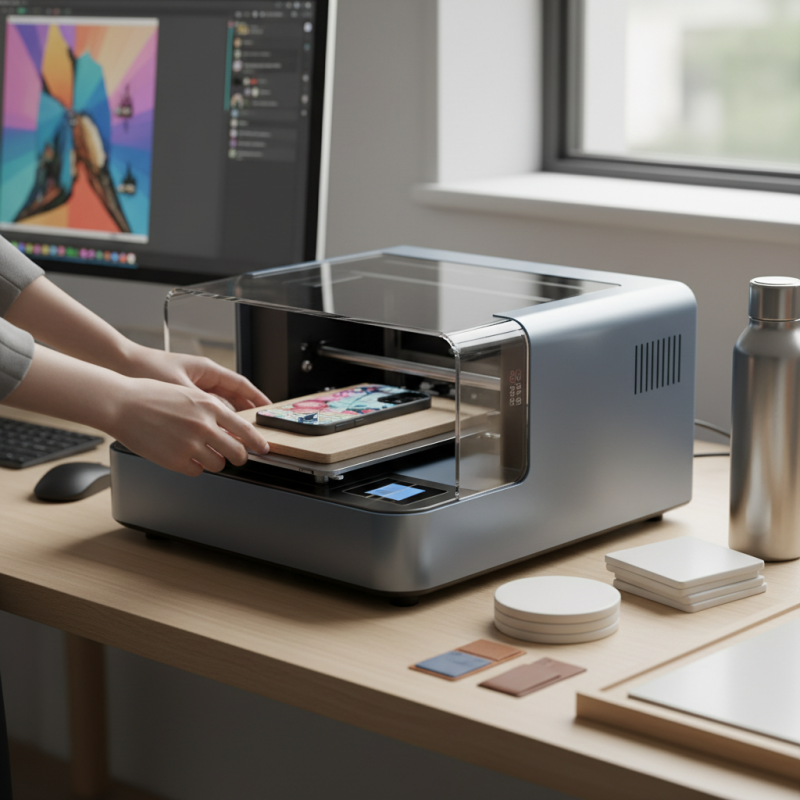
Understanding UV Printing Technology and Its Advantages
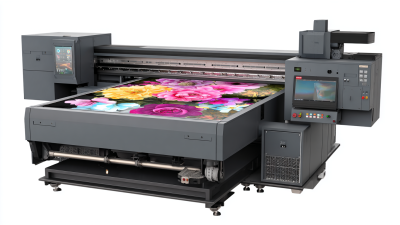
UV printing technology utilizes ultraviolet light to cure or dry the ink as it is printed. This process allows for quick drying times and the capability to print on a wide variety of substrates, including plastics, metal, glass, and wood. Unlike traditional ink, Uv Inks remain on the surface rather than being absorbed, resulting in vibrant colors and high-quality finishes. The versatility of UV printing makes it particularly appealing for businesses that require customization and detailed designs, enabling them to meet diverse client needs effectively.
One of the primary advantages of UV printing is its environmental friendliness. UV inks are typically low in volatile organic compounds (VOCs), making them a safer choice for both the environment and health. Additionally, the technology produces less waste due to its precise printing capabilities, minimizing errors and excess material use. Furthermore, UV prints exhibit excellent durability, with resistance to scratches, fading, and water damage, ensuring longevity in various applications. This makes UV printers an ideal option for anyone looking to produce high-quality, durable printed materials for personal or professional use.
Key Features to Look for in Home UV Printers
When selecting a home UV printer, it’s crucial to consider several key features that align with your specific needs. One of the primary factors is print quality; with advancements in UV printing technology, many models now offer resolution capabilities up to 4800 dpi, which ensures high-definition images with vibrant colors. According to a recent industry report from Smithers Pira, the global UV printing market is expected to grow by 8.1% annually, reflecting an increasing demand for quality and precision in home settings.
Another vital feature to consider is the versatility of the printer. Many modern UV printers are capable of printing on a wide range of materials, including plastics, glass, wood, and metal. This flexibility allows users to take on various projects, from craft items to décor. Research indicates that 60% of home users prefer printers that can handle different substrates, enhancing creativity and project diversity. Additionally, ease of use and maintenance are essential; printers with user-friendly interfaces and low maintenance requirements can significantly increase productivity and minimize downtime.
Assessing Your Personal Printing Requirements
When it comes to selecting a home UV printer, assessing your personal printing requirements is crucial. Begin by examining the types of projects you plan to undertake. For instance, if you are interested in printing on diverse materials such as plastic, wood, or glass, you'll need a printer that can handle various substrates effectively. According to industry reports from the Smithers Pira, the UV printing market is projected to reach $8 billion by 2024, indicating a growing demand for versatile printing capabilities that cater to a wide range of creative needs.
Another critical factor to consider is the scale of your printing operations. If you anticipate producing high volumes regularly, it’s essential to invest in a machine with a higher throughput and better durability. The Specialty Printing Industry Association (SPIA) notes that printers designed for higher production rates can significantly enhance workflow efficiency and reduce operational costs over time. Definitely consider your available space as well; larger models may require more room and proper ventilation. This understanding will help you identify the most suitable UV printer that meets your unique demands while optimizing both quality and efficiency in your home printing setup.
Comparing Different Types of UV Inks and Their Applications
When selecting a home UV printer, understanding the various types of UV inks and their applications is crucial. Broadly, UV inks are categorized into three types: conventional, LED, and hybrid inks. Conventional UV inks, which use mercury vapor lamps for curing, are well-established in the market and known for their fast drying times and vibrant colors. However, they can exhibit higher energy consumption levels and emit ozone during the curing process, posing environmental concerns.
On the other hand, LED UV inks, cured by LED lamps, are gaining popularity due to their lower energy usage and longer lifespan of the curing source. According to a report by Smithers Pira, the global market for UV printing is projected to reach approximately $17 billion by 2025, with LED technology driving much of this growth. These inks also tend to have a broader adhesion range, making them suitable for printing on various substrates including plastics, glass, and metals.
Hybrid UV inks combine features of both conventional and LED inks, offering versatility in applications. They allow for faster production speeds and lower energy costs while still achieving vibrant finishes. As reported by Ink World, the demand for hybrid inks is expected to increase as industries seek sustainable printing solutions without compromising quality. Understanding these differences in ink types can help users make informed decisions on the best UV printer that aligns with their printing needs and environmental goals.
Ultimate Tips for Choosing the Best Home UV Printer for Your Needs
| Printer Type | Ink Type | Application | Features | Ideal For |
| Flatbed UV Printer | Rigid UV Ink | Signs & Displays | High precision, Multi-material | Commercial printing |
| Roll-to-Roll UV Printer | Flexible UV Ink | Banners & Wraps | Versatile, Durable output | Signage shops |
| UV Flatbed Printer | White UV Ink | Specialty Items | Vibrant colors, High adhesion | Custom merchandise |
| LED UV Printer | Eco-friendly UV Ink | Direct-to-Product | Low heat, Energy-efficient | Personalization |
| Desktop UV Printer | Standard UV Ink | Small Projects | Compact, User-friendly | Home users |
Evaluating Printer Size and Space Requirements
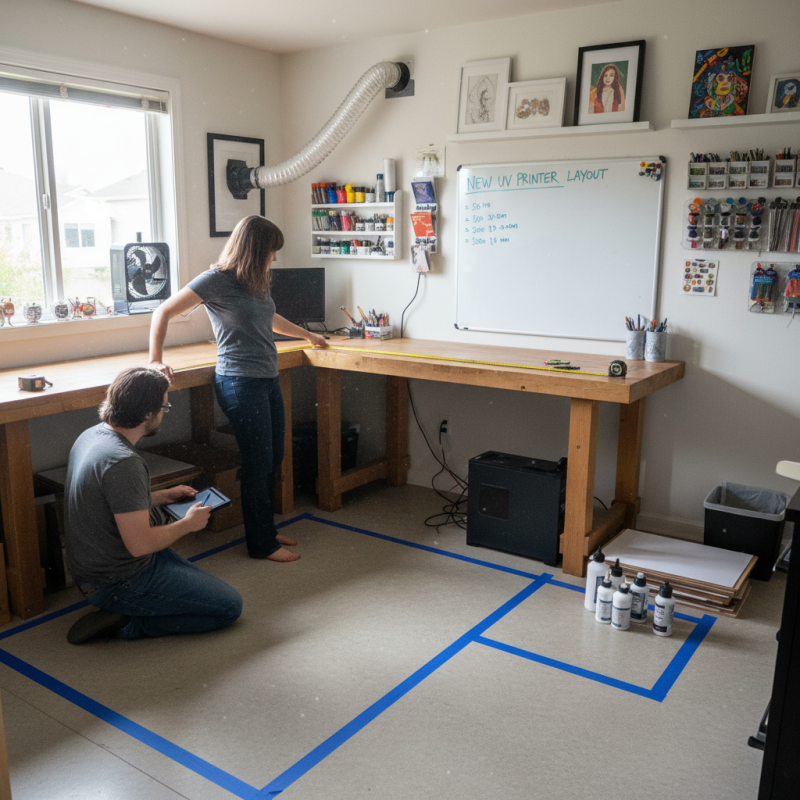
When selecting a home UV printer, evaluating the size and space requirements is crucial. First, you should assess the available workspace in your home or studio. Measure the area where the printer will reside, ensuring that there is sufficient room not only for the printer itself but also for additional components such as a computer workstation, materials storage, and space for ventilation. UV printers can vary significantly in dimensions, so knowing the exact sizes will help you avoid potential inconveniences, such as restricted movement or overcrowding.
Additionally, consider the physical weight of the printer. Many UV printers are heavier than traditional models, and this can impact where they can be safely placed. A sturdy surface is necessary to accommodate the printer, and the surrounding area should allow for easy access for maintenance and ink cartridge replacements. If you’re transitioning from a smaller inkjet printer, it’s essential to recognize that a UV printer might require more dedicated space not only because of its size but also due to the need for proper alignment and operation. Planning your layout carefully before making a purchase will enhance your productivity and ensure a seamless printing experience.
Budget Considerations for Home UV Printers
When considering the purchase of a home UV printer, budget is often a crucial determinant that can shape the overall selection process. According to a recent industry report by Smithers Pira, the global digital printing market is projected to reach $26.8 billion by 2024, reflecting the growing popularity of UV printing technology. For home users, the entry-level models typically range from $1,000 to $3,000, making them accessible for small businesses and serious hobbyists alike. However, understanding the long-term operational costs, including ink cartridges and maintenance, is essential to avoid unexpected expenses.
Additionally, one must consider the intended use of the printer. For instance, those looking to produce high-quality prints for professional applications may need to invest in higher-end models that offer advanced features and superior print resolution, which can escalate costs to around $5,000 or more. Market research indicates that a significant portion of users report that the return on investment for a quality UV printer can be seen within one to two years, especially when balancing the costs of outsourcing printing jobs against in-house production. Ultimately, establishing a clear budget that aligns with your printing needs will play a pivotal role in guiding your purchase decision.
Home UV Printer Budget Comparison
Researching Brands and User Reviews Before Purchase
When selecting the best home UV printer for your needs, delving into thorough research on brands and user reviews is crucial. A comprehensive analysis of user feedback can provide significant insights into the performance and reliability of different models. A recent report by the Smithers Pira Group noted that the UV printing market is projected to grow by 6.3% annually, indicating a rising demand among consumers. This trend underscores the importance of gathering diverse user experiences to identify which printers effectively meet quality and efficiency expectations.
User reviews not only highlight the functionality of UV printers but also expose potential issues that may not be apparent from marketing materials. According to a survey conducted by the Print Media Association, 78% of users indicated that they relied heavily on peer opinions before making a purchase decision. This underlines the value of engaging with online communities and forums to read about firsthand accounts of printer performance.
By focusing on verified reviews and engaging with current users, you can shortlist models that consistently receive high ratings for their print quality, ease of use, and customer service support. Such meticulous research will empower you to make a well-informed decision that perfectly aligns with your printing requirements.
Maximizing Print Quality and Efficiency with 1.8m, 2.5m, and 3.2m Eco Solvent Printers for Your Business
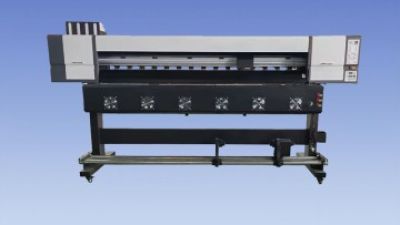
Investing in eco solvent printers with widths of 1.8m, 2.5m, and 3.2m can significantly enhance your business's printing capabilities, maximizing both print quality and operational efficiency. Equipped with advanced print heads, these printers can utilize configurations ranging from single to quadruple CMYK, ensuring vibrant and accurate colors across a variety of applications. Whether you are printing eye-catching banners, durable car vinyl, or innovative mesh and one-way vision stickers, these printers can handle an extensive range of roll-to-roll outdoor materials, providing versatility in your projects.
The speed of these eco solvent printers, reaching up to 80㎡/h, allows for high-volume production without compromising on quality. Such efficiency is vital for businesses looking to meet tight deadlines while maintaining superior output standards. The ability to print in various sizes—1.8m, 2.5m, and 3.2m—means that you can tailor your services to different client needs, making your offerings more attractive in a competitive market. Embracing these cutting-edge printing solutions not only streamlines your workflow but also positions your business to take advantage of diverse printing opportunities.
FAQS
: The main types of UV inks are conventional, LED, and hybrid inks. Conventional inks use mercury vapor lamps for curing, LED inks use LED lamps, and hybrid inks combine the features of both types.
Conventional UV inks are known for their fast drying times and vibrant colors, but they have higher energy consumption and emit ozone during the curing process, raising environmental concerns.
LED UV inks are gaining popularity due to their lower energy usage, longer lifespan of curing sources, and broader adhesion range, making them suitable for various substrates like plastics, glass, and metals.
Hybrid UV inks offer versatility by combining features of conventional and LED inks, allowing for faster production speeds and lower energy costs while still achieving vibrant finishes.
Entry-level home UV printers typically range from $1,000 to $3,000, making them accessible for small businesses and serious hobbyists.
Buyers should consider the long-term costs associated with ink cartridges and maintenance, as these can significantly affect the overall expense of owning a UV printer.
High-end UV printers can cost around $5,000 or more, and they are typically chosen for professional applications that require advanced features and superior print resolution.
Many users report that they can see a return on investment within one to two years, especially when comparing the costs of outsourcing printing jobs to in-house production.
Establishing a clear budget aligned with printing needs is crucial as it guides the purchase decision and helps avoid unexpected expenses related to operational costs.
Conclusion
When selecting the best home UV printer, it's essential to understand the technology and its advantages, such as high-quality prints and versatility across various materials. Key features to consider include print resolution, ink type, and user-friendly software that enhances your printing experience. It's also important to assess your personal printing requirements, such as project size and frequency, to ensure the printer meets your specific needs.
In addition, comparing different types of UV inks and their applications will help you choose the right one for your projects. Evaluating the printer's size and space requirements is crucial to ensure it fits in your home workspace. Budget considerations should also be paramount, as prices can vary significantly. Lastly, researching brands and reading user reviews will provide insights into reliability and performance, guiding you to make an informed purchase decision for your home UV printer.