In the constantly changing world of digital printing, the 4060 Uv Printer really stands out as a game-changer for creative folks looking for top-notch versatility and efficiency. I caught up with industry expert John Morgan, the CTO at Print Innovations, and he said, ‘The 4060 UV Printer opens up a whole new world of possibilities for designers, letting them turn their coolest ideas into reality on all sorts of surfaces.’ As creative pros are always on the hunt for tools that can boost their workflow and push their creative boundaries, this printer quickly becomes an indispensable piece of kit.
What’s awesome about it is that it can print on such a variety of materials—anything from sturdy substrates to fabrics. Not only does it deliver really crisp, high-quality results, but it also keeps things moving fast with quick turnaround times—perfect for those tight deadlines. Plus, the use of eco-friendly Uv Inks means colors pop vibrantly, all while being kinder to the environment. In this guide, we’re diving into all the different ways you can use the 4060 UV Printer and why it’s a must-have for creative projects. We’ll give you the lowdown so you can make the most of this innovative tech for your work.
Understanding the Technology Behind 4060 UV Printers and Their Unique Features
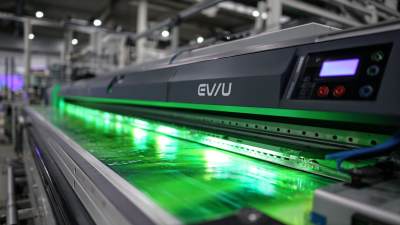
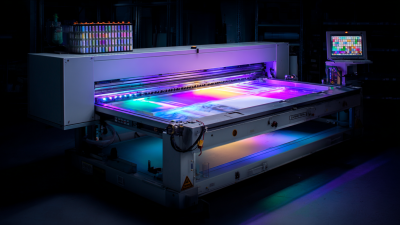
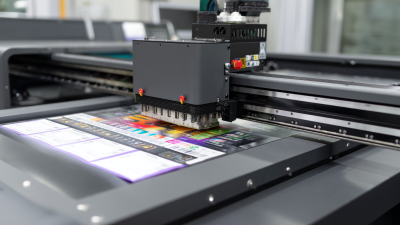
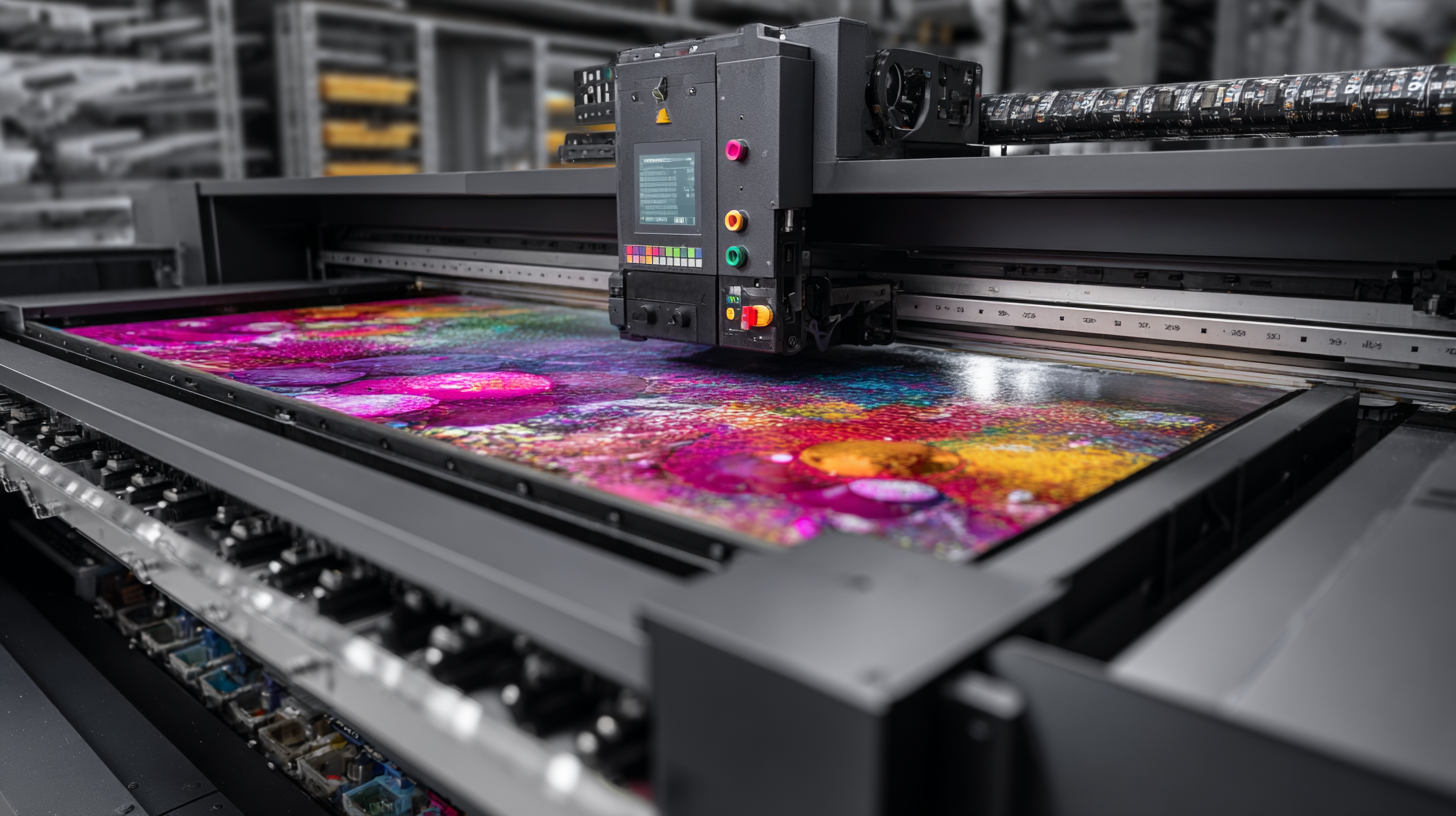
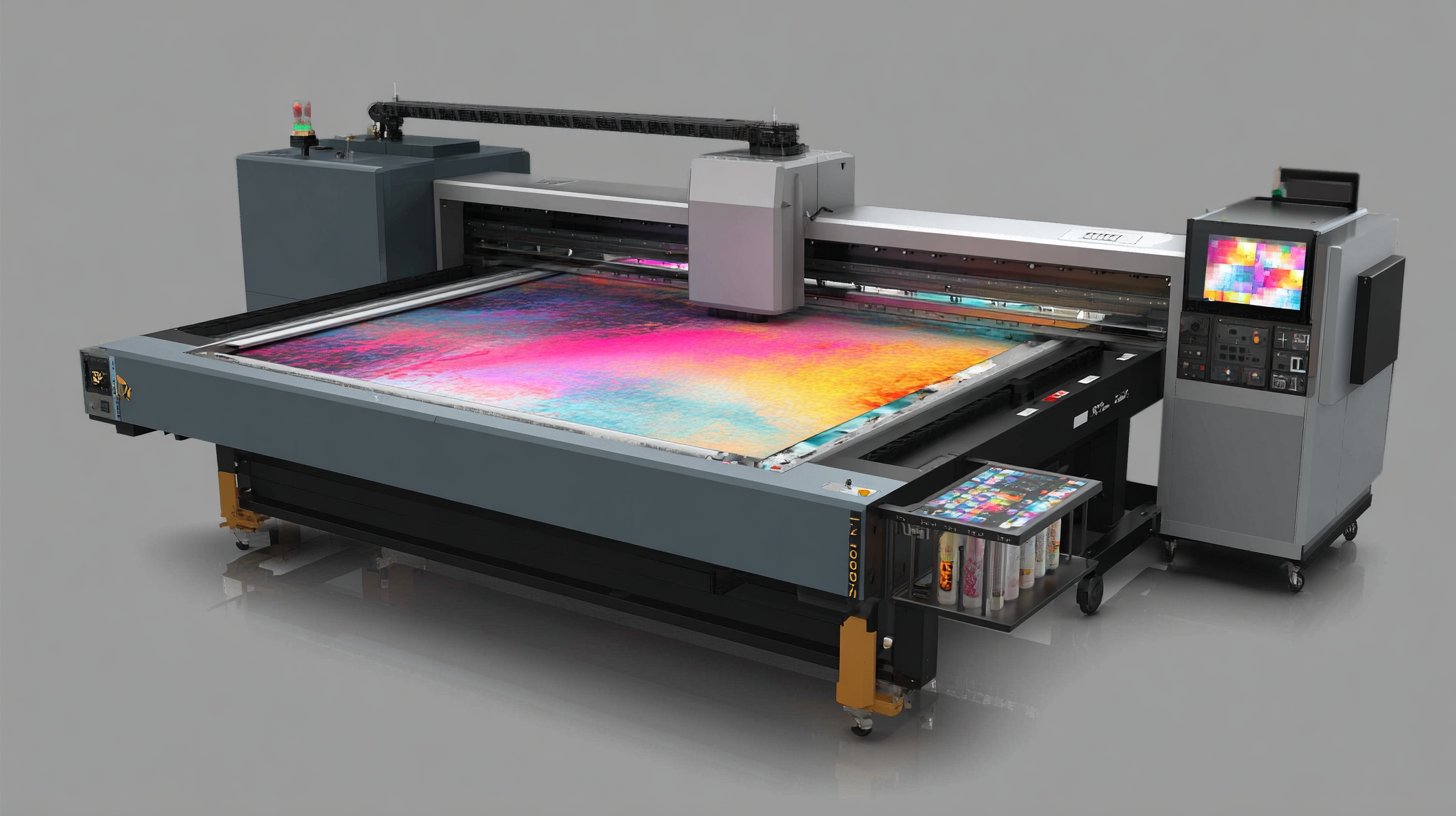
The 4060 UV printer tech is really a game-changer for creative pros looking for more flexibility in what they can do with their prints. Basically, it uses UV light to dry inks instantly, which means you get sharp, high-quality results on all kinds of materials. This versatility makes it perfect for everything from signs to packaging. And the cool part? Being able to print on unusual surfaces really opens up new creative doors and helps streamline production.
Quick Tips:
If you’re playing around with a 4060 UV printer, a couple of quick tips might save you some headaches. First off, keep up with regular maintenance—clogged print heads are the enemy when it comes to good print quality. Also, don’t be afraid to experiment with different media; you might stumble on some surprising design ideas that push your work further. And if you’re into textured prints, try tweaking the ink thickness—this can really influence how the final piece feels and looks.
Getting a good handle on how these printers work involves understanding some key parts like the UV lamps and print settings. Taking the time to learn this stuff can seriously boost your workflow and the quality of your results. One last thing—make sure you calibrate your printer for each type of material. That way, you’ll get those vibrant colors and sharp details that really make your work stand out, especially if you're going for a professional finish.
Analyzing Market Trends: The Growing Demand for UV Printing in Creative Industries
You know, the demand for UV printing in creative fields has been really picking up lately. Folks are on the lookout for high-quality and versatile printing options that can handle just about anything. Creative pros are increasingly opting for UV printers because they can print on a wide range of materials—from textiles to rigid surfaces—without sacrificing color vibrancy or the details of their designs. It’s pretty much a game-changer and highlights how important it is to keep up with market trends and invest in the latest printing tech if you wanna stay ahead of the competition.
If you’re thinking about exploring what UV printers can do, my advice is to consider extra training for your team. Getting everyone up to speed can really help you unlock their full potential. Also, staying in the know about market shifts can open up new ideas for your products, making it easier to cater to changing customer preferences.
You’ll also notice that interest in UV printing is fueling growth in the market for related gear and consumables. With more companies looking for sustainable and efficient ways to produce, the demand for innovative solutions—like eco-friendly inks and advanced curing systems—is only going to get bigger. So, aligning your business with these trends could really give you a leg up in the competitive world of creative industry businesses.
Exploring Material Compatibility: What Surfaces Can 4060 UV Printers Print On?
You know, the real magic of 4060 UV printers is how versatile they are—they can print on pretty much any surface you throw at them. For creative folks, that’s a total game-changer. I was reading this recent report by Smithers Pira, and it says the digital printing world is expected to hit around $28.2 billion by 2025. A big reason? Tech keeps improving, making it easier to print on all sorts of materials.
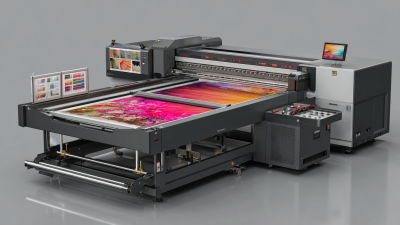
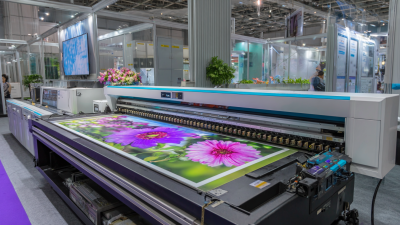
The 4060 UV printer is definitely leading the charge here, able to print smoothly on everything from acrylics and glass to wood, metal, and even canvas. That kind of flexibility? It’s perfect for designers who love experimenting with different materials and coming up with one-of-a-kind, high-quality prints that really stand out for each project.
Maximizing Efficiency: Tips for Optimizing Workflow with 4060 UV Printers
The 4060 UV printer is really leading the way in modern printing tech, giving creative folks so much more flexibility in their work. If you wanna get the most out of these printers, it’s pretty important to understand what they can do and how to weave them into different projects. For example, using features like variable ink density and high-res output lets you create truly eye-catching graphics on all sorts of materials—think glass, metal, whatever. Also, keeping setup and maintenance smooth and simple can seriously cut down on downtime, so you can hit those tight deadlines without sacrificing quality.
On top of that, the whole printing scene is shifting towards being more eco-friendly and customizable. More businesses are looking to adopt sustainable practices, and UV printing is a great way to help cut down waste and save energy. We’re also seeing a lot of startups coming up with cool new ways to use UV technology, which shows just how much things are changing. Staying updated on these trends can really help creative pros stay ahead of the game—giving them new tools and methods that boost their creative output while also aligning with the industry’s push for sustainability and personal touch. Pretty exciting, right?
Exploring the Versatility of 4060 UV Printers: A Comprehensive Guide for Creative Professionals
| Feature | Description | Benefits | Best Use Cases |
| High Resolution Printing | Capable of printing at up to 1440 dpi | Sharp, vibrant images | Fine art reproduction, high-end graphics |
| Versatile Media Compatibility | Print on a variety of substrates including plastic, wood, and metal | Expanded creativity and application range | Signage, decor, promotional items |
| Fast Print Speeds | Production speeds of up to 40 sq. ft. per hour | Increased productivity | High-volume production runs |
| Eco-Friendly Inks | UV-curable inks with low environmental impact | Safer for operators and less waste | Sustainable printing applications |
| User-Friendly Software | Intuitive interface for easy operation | Reduces learning curve and operational errors | All skill levels from novice to expert |
Case Studies: Successful Applications of 4060 UV Printing in Various Creative Fields
You know, the versatility of 4060 UV printers really makes them a game-changer across so many creative fields. Once you get a feel for how they’re used successfully, it’s pretty inspiring — it can totally motivate professionals to get the most out of this tech. For example, in graphic design, artists have been using 4060 UV printers to produce super vibrant, long-lasting prints on all kinds of materials — from acrylics to wood and more. I remember hearing about this one design firm that created this really eye-catching wall installation for an office, all done with custom prints. It just shows how digital printing can totally boost the look of a space and even reflect a brand’s personality.
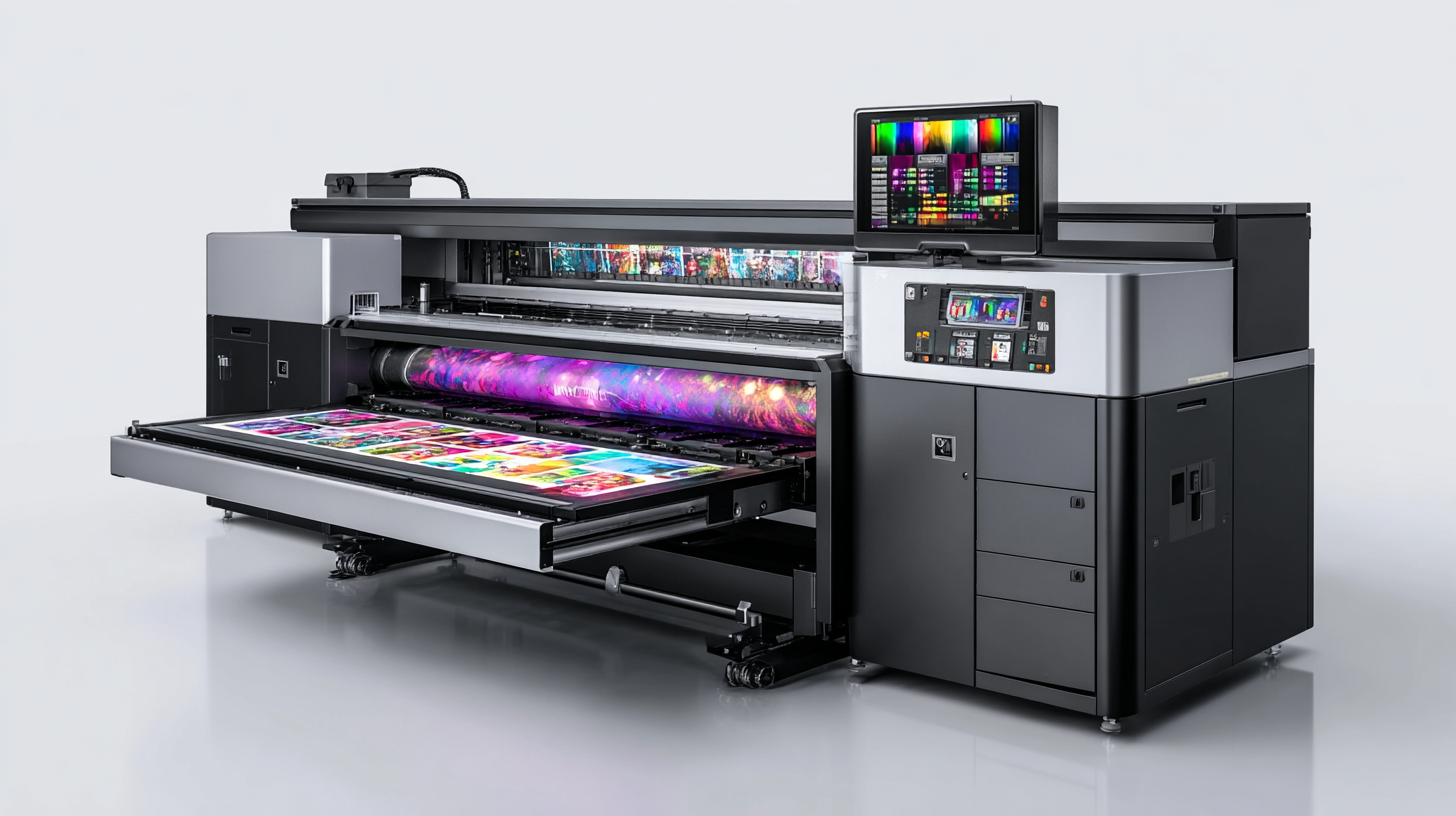
Then, if we look at packaging and merch, 4060 UV printers have seriously changed the game. They let brands print high-res, colorful designs straight onto packaging — making product presentation way more eye-catching. There was this small startup I came across that used 4060 UV printing to offer totally customized packaging for local artisans. It’s a smart way to mix quality with a touch of uniqueness. All these examples just prove how flexible and innovative 4060 UV printing can be — opening up new creative possibilities across all sorts of industries.
Future Innovations: What’s Next for UV Printing Technology in Creative Professions
The future of UV printing tech is honestly pretty exciting, with tons of innovations on the horizon that could really shake up the creative world. If you ask me, things like faster printing speeds, sharper color accuracy, and eco-friendly inks are all set to totally change how designers and artists work. Thanks to newer printing heads and smarter software, UV printers are becoming more versatile — they can handle all kinds of materials like wood, metal, and acrylic, too. Plus, they’re more efficient now, wasting less material and energy, which is a big win for sustainability in design.
If you wanna get the most out of UV printers, a good tip is to experiment with different materials; I’ve found that trying out wood or metal can lead to some really cool textures and finishes you wouldn’t get otherwise. Keeping up with the latest software upgrades is also key — it helps you use newer color profiles and printing techniques to make your work really pop, especially in such a competitive scene. And honestly, tying UV printing into digital design tools can make your workflow way smoother and let your creativity run wild.
To stay ahead of the curve, I recommend connecting with other folks in the UV printing community — whether that’s through workshops, online forums, or local meetups. It’s a great way to learn, share ideas, and stay in the know about emerging trends and best practices that can really boost your creative projects.
Revolutionizing Print Technology: The Impact of the 3560 UV Flatbed Printer on A2 Size Production
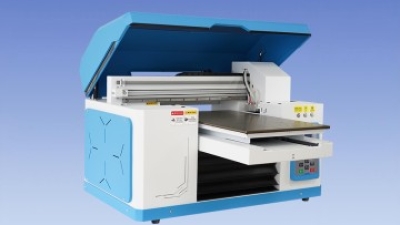
The recent advancements in print technology have set a new benchmark for production efficiency and quality, particularly with the introduction of the 3560 UV Flatbed Printer, aimed at A2 size printing. With its dual TX800 printheads, this printer not only achieves reliable high-speed output but also ensures exceptional color accuracy and detail. The CMYK, White, and Varnish color capabilities significantly enhance its versatility, allowing businesses to cater to a broader range of applications, from signage to promotional materials.
A standout feature of the 3560 is its ability to print on various flat surfaces, making it a universal printer. While many traditional printers struggle with the limitations of media types, the 3560 can handle almost all flat items, excluding textiles and cylindrical objects. This expanded printing capability is crucial in today's diversified market, where personalization and unique product offerings are increasingly demanded. According to industry reports, the UV flatbed printer market is projected to witness considerable growth, driven by the demand for high-quality printing solutions that enhance visual appeal. The incorporation of features such as a rotary device adds further functionality, allowing for even more innovative printing applications.
As companies increasingly seek efficient and effective ways to meet market demands, the 3560 UV Flatbed Printer stands out as a transformative solution, optimizing A2 size production while redefining the possibilities in flatbed printing technology. With the ability to produce stunning visuals at scale, it positions businesses to thrive in a competitive landscape.
FAQS
: The demand for UV printing is driven by the need for high-quality and versatile printing solutions that maintain color vibrancy and design fidelity across various materials.
UV printers are capable of printing on a wide range of materials, such as textiles and rigid surfaces, providing creative professionals with the ability to experiment and produce unique, high-quality prints.
4060 UV printers can print on various substrates, including acrylics, glass, wood, metal, and canvas.
UV printers use UV-curable ink technology, which solidifies upon exposure to ultraviolet light, creating strong adhesion on non-porous surfaces.
The growing interest in sustainable and efficient production methods is increasing demand for innovative solutions, such as eco-friendly inks and advanced curing systems, in the UV printing market.
UV printing emits fewer volatile organic compounds (VOCs) than traditional printing methods, making it a more environmentally friendly option.
Businesses can stay competitive by investing in additional training for their teams, staying updated on market trends, and aligning their offerings with evolving customer preferences.
Understanding market trends helps creative professionals identify potential new applications for their products, allowing them to effectively meet changing consumer preferences.
The digital printing sector is projected to reach $28.21 billion by 2025, driven by advancements in technology that enhance material compatibility.
By leveraging the versatility and high-quality output of UV printing technology, creative professionals can expand their product offerings and cater to diverse markets, enhancing their competitive edge.
Conclusion
The 4060 UV Printer has really become a go-to tool for creative pros out there. It’s super versatile and offers some pretty innovative printing options that work for all sorts of projects. In this guide, I’ll break down how this tech actually works—what makes the 4060 UV printers so special—and talk about why UV printing is gaining so much popularity these days. We’ll cover everything from figuring out what materials you can print on, to some handy tips on how to get your workflow running smoothly. Basically, it’s all about helping you get the best results, quickly and easily.
Plus, I’ll share some real-world stories of artists and businesses using the 4060 UV Printer successfully. Seeing how it’s been used in different creative fields shows just how much potential it has to boost your work. Looking ahead, it’s clear that UV printing tech isn’t slowing down anytime soon. Creative folks can feel pretty confident navigating this changing landscape, especially with companies like JIAXING BORAN DIGITAL TECHNOLOGY CO., LTD. offering everything you need—UV printers and all the supplies—to help you succeed.
All in all, this guide aims to give you a clear, friendly snapshot of what the 4060 UV Printer can do and why it’s such a game-changer in the printing world.