Picking out the right Uv Flatbed Printer for your printing needs can honestly feel overwhelming with so many options out there. And as technology keeps evolving, it’s more important than ever to stay in the loop on the latest trends and innovations. Like John Doe, who’s pretty much an industry expert and runs PrintTech Innovations, always says, it’s not just about what the printer can do — it’s about making sure it actually fits your specific production needs. That really highlights how crucial it is to think about what you actually need before making a choice.
When you’re shopping around for a UV flatbed, there are a few key things to keep in mind—like print quality, speed, and what sort of materials you’ll be working with. UV printing is super versatile, which is awesome because it means you can handle a bunch of different projects. But here’s the thing: you wanna pick a flatbed that can keep up with your current demands and also grow with you down the line. As the tech gets better and more players enter the market, making a smart, informed choice can really set you up for successful projects and maybe even boost your profits. If you pay attention to these points, you’ll end up with a Uv Printer that not only makes your workflow smoother but also helps you see a solid return on your investment.
Understanding UV Printer Flatbeds: A Comprehensive Overview
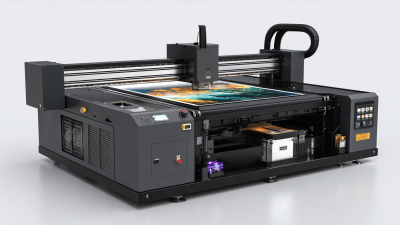
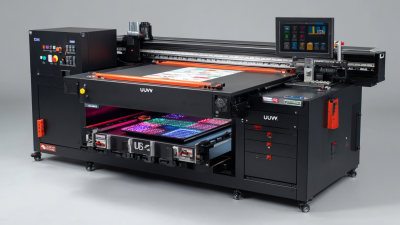
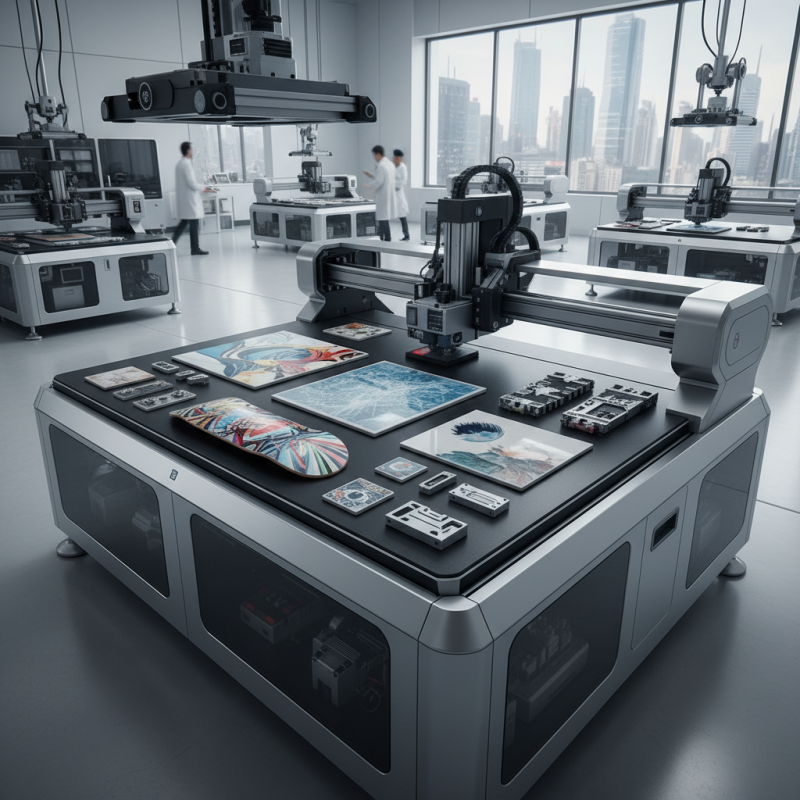
UV printer flatbeds are innovative printing solutions that cater to a variety of industries and applications. These machines utilize ultraviolet light to cure or dry the ink as it is printed, allowing for high-quality images on numerous substrates, including wood, metal, glass, and plastics. The flexibility in printing surfaces is one of the standout features of UV printer flatbeds, enabling businesses to expand their service offerings significantly while maintaining exceptional print quality.
Understanding the mechanics and capabilities of UV printer flatbeds is crucial for making an informed purchasing decision. Key factors to consider include the print resolution, speed, and the maximum thickness of materials that can be accommodated. Furthermore, evaluating the versatility of a flatbed printer in terms of material compatibility and color options is essential, especially for operations that require customization. By considering these aspects, users can ensure that they select a UV printer flatbed that aligns with their specific production goals and enhances overall efficiency.
Key Features to Consider in a UV Printer Flatbed
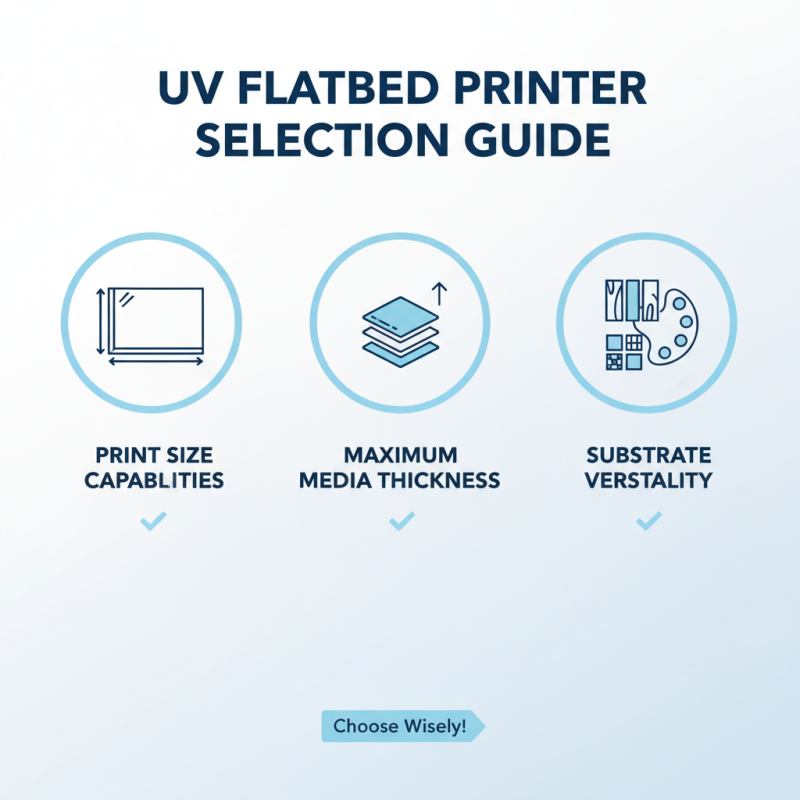
When selecting the best UV printer flatbed for your printing needs, there are several key features to consider. First, print size capabilities are crucial. Look for a printer that can accommodate the dimensions of the materials you plan to work with. A larger flatbed allows for versatility, enabling you to print on a wide variety of substrates without compromising on size. Additionally, pay attention to the maximum media thickness; this can be particularly important if you plan to print on three-dimensional objects or materials like wood and glass.
Another important factor to consider is the print resolution and quality. UV printers offer varying resolution settings, which affect the detail and sharpness of your final prints. If you need high-quality images, opt for a printer that provides advanced printing technologies that support higher DPI (dots per inch) settings. Furthermore, consider the curing technology used in the printer. Efficient UV curing processes ensure that inks dry quickly and adhere well to various materials, leading to durable and vibrant prints. Assessing these features will help you make an informed decision that aligns with your specific printing requirements.
Assessing Your Printing Needs: Size, Volume, and Material
When selecting the ideal UV printer flatbed for your printing needs, assessing key factors such as size, volume, and material is essential. According to the Freedonia Group’s 2021 report, the global digital printing market is projected to reach $230 billion by 2025, reflecting a significant shift towards customization and diverse print applications. This trend underscores the importance of understanding your specific needs to optimize production efficiency and meet customer demands effectively.
First, consider the size of the projects you intend to print. Flatbed UV printers come in various sizes, accommodating everything from small promotional items to large signage. The right printer will depend on your maximum media dimensions; industry data indicates that 60% of businesses saw better productivity when using equipment tailored to their project's size specifications. Moreover, analyze the volume of printing you expect. A report by Smithers Pira highlights a transition towards short-run printing, with a notable increase in companies adopting UV printing technologies to satisfy fast turnaround times with minimal waste. This capacity can make a significant difference, enabling businesses to scale operations according to demand without incurring unnecessary costs.
Lastly, the materials you plan to use can impact the choice of UV printer. Printers designed for versatile substrates, like wood, acrylic, and metal, can enhance your offerings and enable you to cater to various industries. The research from Technavio indicates that the demand for UV printing solutions featuring multi-material capabilities is on the rise, driven by growth in promotional products and signage sectors. By carefully assessing your required size, volume, and material compatibility, you can ensure that the flatbed UV printer you choose effectively aligns with your operational goals and market trends.
Evaluating Print Quality: Resolution, Color, and Consistency
When selecting a UV printer flatbed, evaluating print quality is paramount, encompassing resolution, color accuracy, and consistency. Print resolution, measured in dots per inch (DPI), directly influences the sharpness of the final output. According to industry reports, a higher DPI, typically 1200 dpi or more, is essential for producing detailed images and high-resolution graphics. Ensuring that your chosen printer can handle such specifications will determine the overall quality of the printed material, especially for intricate designs and photographs.
Color accuracy is another critical factor in evaluating print quality. The ability of a UV printer to reproduce a wide color gamut and maintain true-to-life colors is essential for professional prints. Reports indicate that printers capable of producing at least 90% of the Adobe RGB color space offer superior results for color-sensitive applications. It's crucial to assess the printer's color profiles, as well as any calibration tools that come with it, to achieve consistent and vibrant hues.
Tips:
To ensure optimal print consistency, consider printers with reliable color management features. Look for tools that allow you to maintain uniformity across different media types, as variations can impact the final appearance. Additionally, conduct regular maintenance checks to clean print heads and ensure quality output over time. It's also wise to keep an eye on environmental factors, such as humidity and temperature, which can affect the printing process and lead to inconsistencies.
Budget Considerations: Cost vs. Performance in UV Printing
When selecting a UV printer flatbed, budget considerations play a crucial role in aligning cost with performance. Industry reports indicate that the average price for high-quality UV flatbed printers ranges from $30,000 to $250,000, depending on the size, capabilities, and technology involved. While it may be tempting to opt for the lowest price option, investing in a higher-end model can result in significant long-term savings. For instance, a robust printer often boasts faster production speeds and better reliability, leading to increased throughput and reduced downtime. According to a study by Smithers Pira, performance-driven investments can enhance operational efficiency by up to 25%, making the initial higher spending worthwhile over time.
Moreover, it’s important to consider the cost of consumables and maintenance associated with UV printing. A less expensive UV printer may have lower upfront costs but can incur higher operational costs due to frequent part replacements or higher ink usage. Data from the Freedonia Group suggests that companies can spend up to 40% of a printer's purchase price annually on maintenance and supplies. Therefore, evaluating the total cost of ownership, including these ongoing expenses, is essential for businesses seeking to optimize their printing operations. Balancing initial investments with performance capabilities will lead to a more informed decision tailored to specific printing needs.
Brand Reputation and Support: Choosing Reliable Manufacturers
When selecting the best UV printer flatbed, brand reputation and support play a crucial role in ensuring a reliable investment. Manufacturers with a strong industry presence often have a track record of delivering quality products and maintaining strong customer relations. Researching customer reviews and testimonials can provide insights into the reliability of a brand’s printers. A manufacturer known for high performance and durability will save you time and money in the long run.
Tips: Look for manufacturers that offer comprehensive customer support services, including training and troubleshooting assistance. A reliable support system can make a significant difference in minimizing downtime and enhancing your overall printing experience. Additionally, consider brands that provide access to spare parts and ongoing maintenance options, ensuring that your printer remains operational for years to come.
When assessing brand reputation, don’t overlook the importance of warranty offerings. A robust warranty can be indicative of a manufacturer’s confidence in their product quality. Opt for brands that provide extended warranties and favorable terms, as this not only protects your investment but also reinforces the brand's credibility.
Maintenance and Operational Costs of UV Printer Flatbeds
When considering a UV printer flatbed for your printing needs, understanding maintenance and operational costs is crucial. These printers are celebrated for their versatility and efficiency, but their upkeep can impact your budget significantly. Regular maintenance is essential to ensure optimal performance and longevity. Expect to invest in cleaning supplies, replacement parts, and occasional professional servicing, which can help avoid costly breakdowns and enhance printing quality.
Tips for maintaining your UV printer include setting a routine cleaning schedule to prevent ink buildup and ensuring proper ventilation to manage heat during operation. Additionally, regularly checking and updating software can optimize print settings, reducing wasted ink and improving output quality. It's wise to keep an eye on ink levels and utilize eco-friendly practices to minimize waste.
Operational costs also encompass energy consumption, which can vary significantly among models. However, choosing a unit with energy-efficient features can help reduce these expenses over time. Consider exploring options that allow for bulk ink purchasing or recycling programs, as they can lead to substantial savings. By planning for these costs and implementing effective maintenance practices, you can make the most of your UV printer flatbed investment.
UV Printer Flatbed Maintenance and Operational Costs
FAQS
: Key features include print size capabilities, maximum media thickness, print resolution and quality, and curing technology. Assessing these will help ensure the printer meets your specific printing needs.
Print size capability determines the dimensions of the materials you can work with. A larger flatbed provides versatility and allows for printing on a wider variety of substrates.
Print resolution, measured in DPI (dots per inch), affects the detail and sharpness of prints. Higher DPI settings lead to better image quality, making it crucial for producing high-quality images.
Efficient curing technology ensures that inks dry quickly and adhere well to various materials, resulting in durable and vibrant prints. It influences the overall print production process.
Analyzing the expected volume helps in choosing a printer that can support production demands. This is especially important for short-run printing to maintain fast turnaround times with minimal waste.
The types of materials you plan to use will influence your choice. Printers that support versatile substrates like wood, acrylic, and metal can enhance your offerings across different industries.
Key factors include print resolution, color accuracy, and consistency. Ensuring high DPI, a wide color gamut, and reliable color management features are essential for achieving professional print quality.
Color accuracy ensures that prints maintain true-to-life colors and a wide color gamut. Printers that can produce at least 90% of the Adobe RGB color space are better suited for color-sensitive applications.
To maintain consistency, use reliable color management features, conduct regular maintenance checks, and monitor environmental factors like humidity and temperature that can affect the printing process.
Conclusion
When selecting the best UV printer flatbed for your printing needs, it is essential to start with a comprehensive understanding of what these machines offer. Key features, including size, volume capabilities, and compatible materials, should align with your specific printing demands. Evaluating print quality factors such as resolution, color accuracy, and consistency is vital to ensure your outputs meet professional standards.
Additionally, budget considerations play a crucial role; balancing cost with performance is necessary for long-term satisfaction. Researching brand reputation and the support provided by manufacturers can significantly impact your experience with a UV printer flatbed. Lastly, be mindful of maintenance and operational costs, as these can influence your overall investment. By carefully assessing these factors, you can make an informed decision that best suits your requirements.