Inquiry
Form loading...
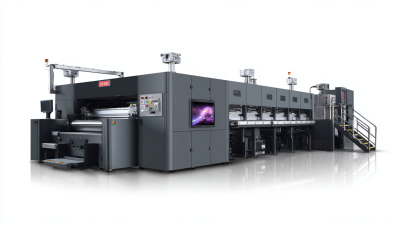
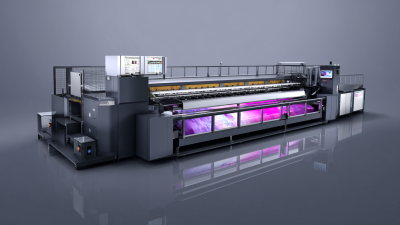
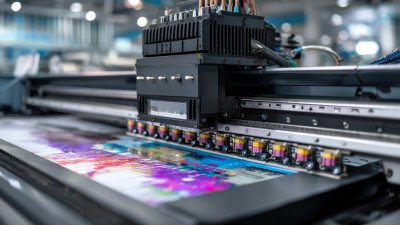
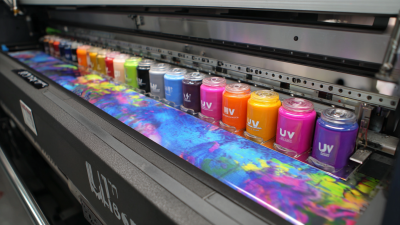
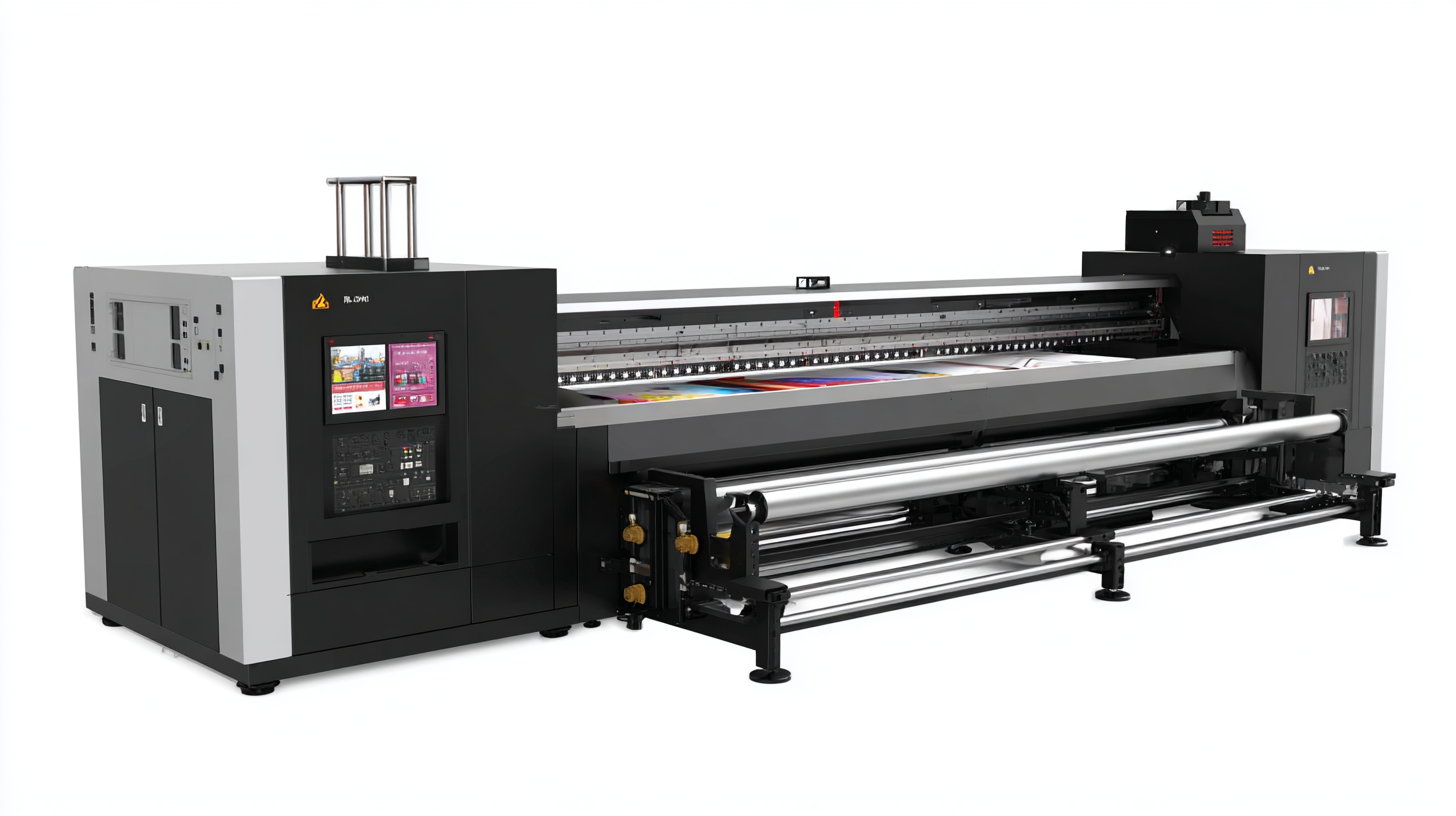
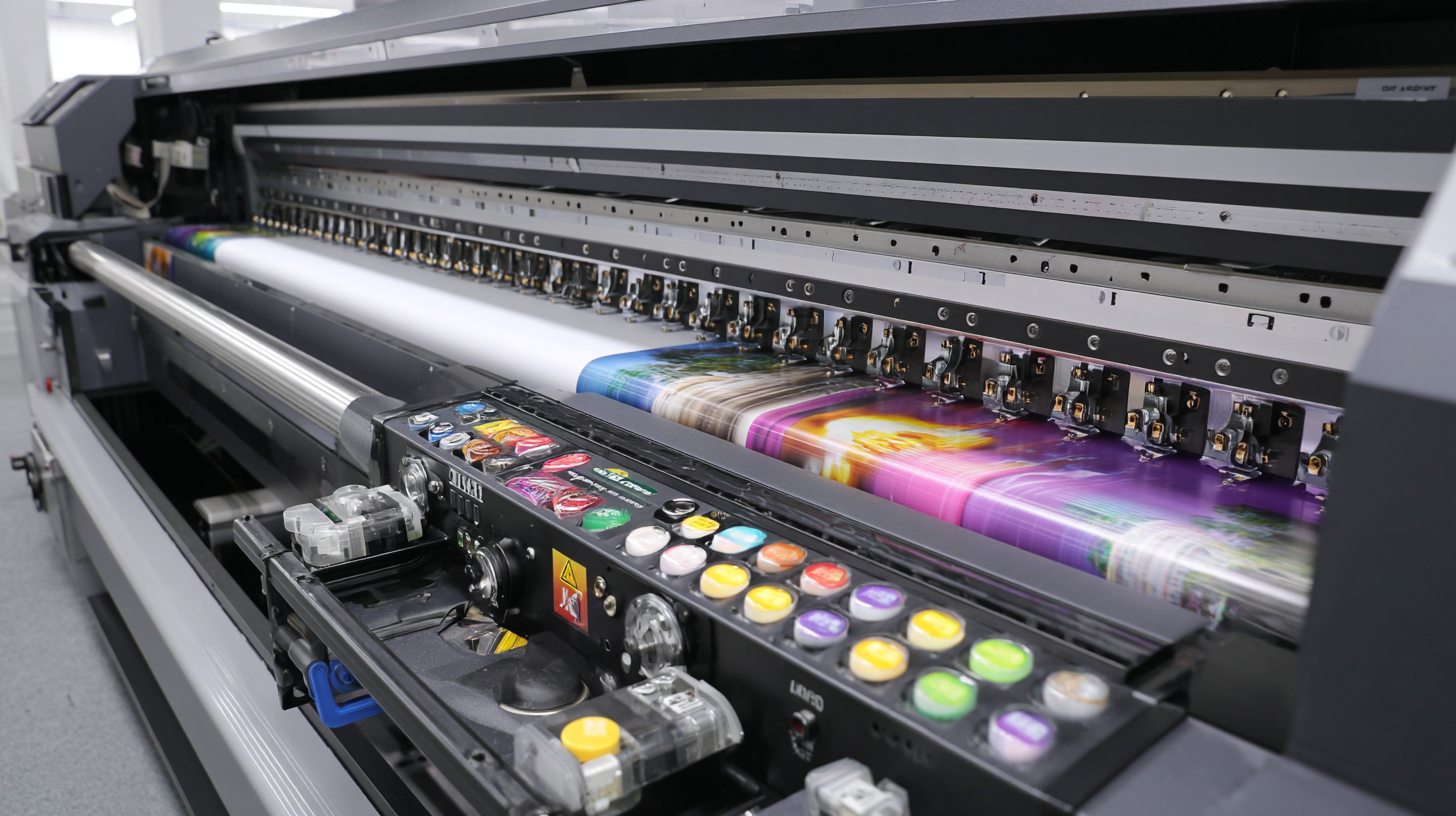
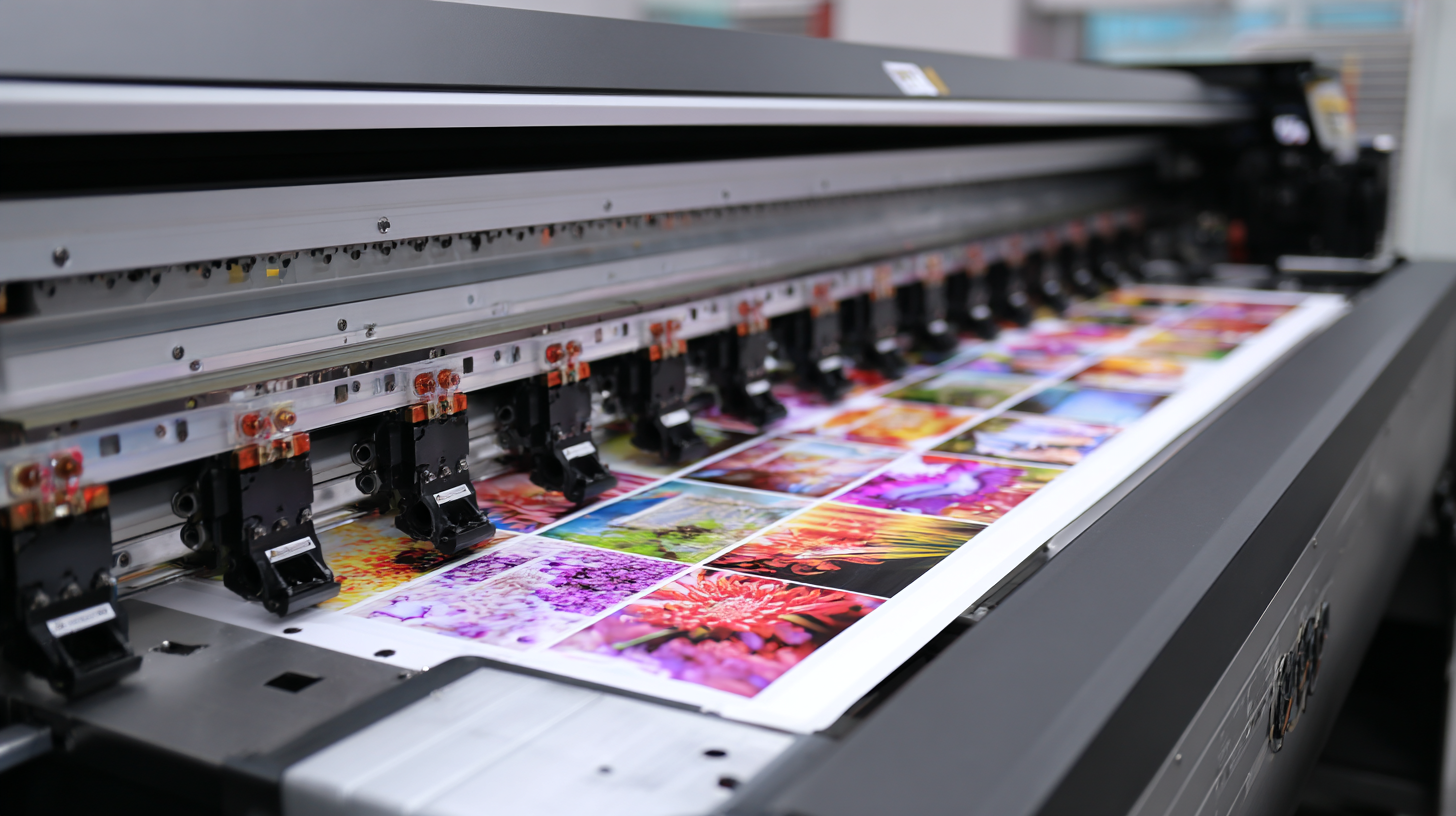
In today’s really fast-moving world of printing, everyone’s looking for smarter, more efficient ways to get quality results. That’s why these new tech innovations are such a big deal. Take the Roll To Roll Uv Printer, for example — it’s honestly a game-changer, blending lightning-fast speed with incredible versatility for all sorts of printing jobs.
Here at JIAXING BORAN DIGITAL TECHNOLOGY CO., LTD., we’re all about offering end-to-end signage solutions, including the latest eco-Solvent Printers, large-format banner printers, and, of course, these awesome Roll To Roll Uv Printers. Not only do they boost your production capacity, but they also make sure each print looks top-notch. In this blog, we’ll dive into the main benefits of Roll To Roll UV Printers and share some pro tips on how to get the most out of them, helping your business run smoother and succeed even more.
Roll-to-roll (R2R) UV printing is really changing the game in modern manufacturing. It’s all about delivering top-notch quality while staying super efficient. One of the coolest parts? These R2R printers can handle high-volume jobs with ease, thanks to their ability to keep printing on continuous rolls of material. That means less waste and less downtime compared to the old-school sheet-fed methods. Plus, the whole process flows smoothly, which not only boosts productivity but also gives designers way more freedom to get creative. Whether you’re into packaging, textiles, or other applications, R2R printing has you covered.
And it’s not just about printing anymore. Recent advances, like those in printed solar cells, show just how versatile this tech really is. It’s opening doors to new stuff—think clean energy and sustainable solutions—by working with innovative materials and processes. As more industries jump on board with these cutting-edge techniques, the benefits of roll-to-roll UV printing are only going to grow. It’s really helping push the limits of what digital printing can do, making production faster, better, and more flexible than ever before.
| Benefit Type | Description | Impact on Production | Efficiency Gain |
|---|---|---|---|
| Speed | Fast printing process allows for high volume output. | Increases overall production capacity. | 30% faster than traditional methods. |
| Quality | High-resolution output with vibrant colors. | Enhances product appeal and marketability. | Superior color fidelity compared to other options. |
| Versatility | Can print on various materials and surfaces. | Broadens product range and applications. | Allows customization for different markets. |
| Cost-Effectiveness | Reduced waste and efficient ink usage. | Lower operational costs. | 20% cost savings on materials. |
| Environmental Impact | Use of UV inks reduces VOC emissions. | Healthier work environment and compliance. | Promotes sustainability initiatives. |
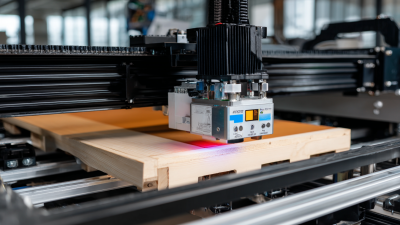
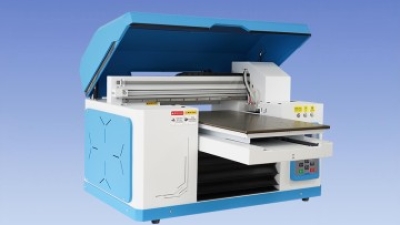
When it comes to enhancing print quality and operational efficiency in the flatbed printing industry, the insights gathered from recent industry reports shed light on the advantages offered by advanced models like the 3560 UV Flatbed Printer. This A2 size printer is equipped with two TX800 printheads, delivering exceptional precision and vibrancy in output. With a printing width of 35cm x 60cm and support for CMYK colors, along with white and varnish options, the 3560 UV printer caters to a diverse range of applications, ensuring versatility for users seeking to expand their service offerings.
Recent reports indicate that the demand for high-quality flatbed printers is steadily increasing, driven by sectors such as signage, packaging, and promotional item production. The rotary device feature available with the 3560 UV allows it to print on almost all flat items, excluding textiles and cylindrical objects, thus streamlining workflow and reducing setup times. The capability to produce brilliant prints on various materials is crucial, as market analysis shows that investment in versatile printing solutions can lead to a significant increase in production efficiency and customer satisfaction.
Furthermore, as businesses aim to maximize their operational potential, machines like the 3560 UV should be a top consideration. Industry data suggests that companies using advanced flatbed printers report improved turnaround times and reduced waste due to precision printing. This is particularly beneficial in a competitive landscape where quality output not only drives repeat business but also attracts new clients looking for innovative printing solutions. Therefore, investing in the 3560 UV Flatbed Printer equips businesses not just with a tool, but a strategic advantage in the growing marketplace.
: Roll to Roll UV printers streamline production by allowing continuous printing, reducing downtime, enhancing speed, and enabling large batch runs without interruptions, making them particularly beneficial for high-volume jobs.
Implementing smart workflow strategies, such as intelligent job scheduling and real-time monitoring, boosts productivity, minimizes waste, and optimizes resource utilization, leading to improved turnaround times and quality.
Essential quality control measures include regular printer calibration, thorough inspection of printed materials, and the use of real-time monitoring systems to detect defects early and reduce costly reprints.
The R2R printing market is projected to reach $21 billion by 2024, indicating a growing demand for high-quality outputs in the industry.
Roll to Roll UV printing excels in producing high volumes quickly, minimizing setup and drying times compared to traditional methods like screen printing or offset lithography.
Roll to Roll UV printers can print on a variety of substrates, including flexible materials like vinyl and fabric, allowing for diverse applications such as signage, packaging, and textiles.
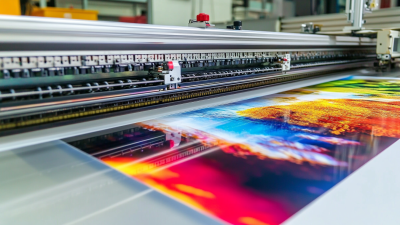
The UV curing process ensures vibrant colors and sharp details, resulting in superior print quality that can rival or surpass that of traditional printing methods.
Consistent calibration of printers can reduce errors by up to 30%, improving precision in color matching and registration.
Minimizing waste is crucial for enhancing production efficiency and maintaining a competitive edge, as it directly impacts cost-effectiveness and resource use.
Analyzing production patterns enables printers to adjust processes optimally, ensuring efficient resource utilization and improved overall quality of the printed materials.
Hey there! So, I was reading this blog called "Unlocking the Benefits of Roll To Roll UV Printers for High Efficiency and Great Quality" — and honestly, it dives into how game-changing this printing tech can be. It breaks down the main perks like boosting efficiency and giving you top-notch print quality — super important in today’s fast-moving production world, right? The article also points out what makes high-performance Roll To Roll UV printers stand out, especially when it comes to streamlining your workflow and making your overall operations smoother.
Plus, it doesn’t shy away from talking about quality control—those key steps you really need to keep standards high in Roll To Roll UV printing. It even compares this method with others out there, highlighting what makes UV roll-to-roll so special. And, to top it all off, it looks into future trends and how companies like JIAXING BORAN DIGITAL TECHNOLOGY CO., LTD. are still at the forefront, pushing out innovative sign-making gear, including cutting-edge UV printers that can handle all kinds of printing jobs. It’s pretty inspiring stuff if you’re into this world!